

How to connect two nylon braided pipes together?
Connecting two nylon braided pipes together is a common task in various applications, from plumbing to industrial setups. As a reliable Nylon Braided Pipe supplier, I understand the importance of a proper connection. In this blog, I'll guide you through the process step - by - step, ensuring that you can achieve a secure and leak - free joint.

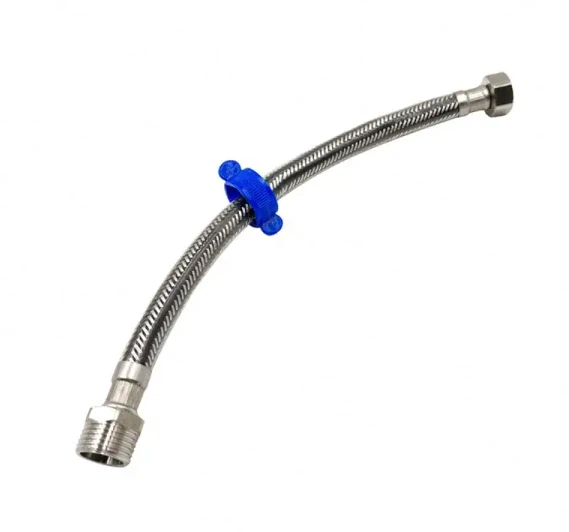
Understanding Nylon Braided Pipes
Nylon braided pipes are known for their durability, flexibility, and resistance to corrosion. They are widely used in different fields due to their excellent properties. These pipes are made of a nylon inner tube covered with a braided nylon layer, which provides additional strength and protection. Before connecting two nylon braided pipes, it's crucial to assess the pipes' specifications, such as diameter, wall thickness, and pressure rating. This information will help you choose the right connection method and fittings.
Tools and Materials Required
To connect two nylon braided pipes, you'll need the following tools and materials:
- Pipe cutters: A sharp pipe cutter is essential for making clean cuts on the nylon braided pipes. A clean cut ensures a proper fit with the fittings.
- Fittings: There are various types of fittings available for connecting nylon braided pipes, such as compression fittings, push - to - connect fittings, and threaded fittings. The choice of fitting depends on the application and the type of connection required.
- Sealant: A suitable sealant, such as Teflon tape or pipe dope, can be used to prevent leaks at the connection points.
- Wrenches: Depending on the type of fittings used, you may need adjustable wrenches or socket wrenches to tighten the fittings properly.
Step - by - Step Guide to Connecting Nylon Braided Pipes
Step 1: Measure and Cut the Pipes
Use a measuring tape to determine the length of the pipes you need for the connection. Mark the cutting points on the pipes using a permanent marker. Then, use a pipe cutter to make a clean, straight cut. Make sure the cut is perpendicular to the axis of the pipe to ensure a proper fit with the fittings.
Step 2: Prepare the Fittings
If you're using compression fittings, disassemble them and place the compression nut and ferrule over one end of the pipe. For threaded fittings, apply a thin layer of Teflon tape or pipe dope to the male threads in a clockwise direction. This will help create a tight seal and prevent leaks.
Step 3: Insert the Pipes into the Fittings
Insert the cut end of the first pipe into the fitting. If you're using a push - to - connect fitting, simply push the pipe into the fitting until it stops. For compression fittings, slide the ferrule and nut onto the fitting and tighten the nut using a wrench. Make sure not to overtighten, as this can damage the pipe or the fitting.
Step 4: Connect the Second Pipe
Repeat steps 2 and 3 for the second pipe. Once both pipes are inserted into the appropriate ends of the fitting, check the alignment to ensure that the connection is straight.
Step 5: Tighten the Fittings
Use a wrench to tighten the fittings further if necessary. For compression fittings, tighten the nut until it is snug, and then give it an additional quarter - turn. For threaded fittings, tighten the connection until it is secure but avoid over - tightening, which can cause the threads to strip.
Step 6: Test the Connection
After the connection is complete, turn on the water or the fluid supply to test the connection for leaks. Check the connection points carefully for any signs of leakage. If you notice a leak, turn off the supply and tighten the fittings slightly. If the leak persists, you may need to disassemble the connection, check the fittings and the pipes for damage, and repeat the process.
Different Types of Connections and Their Applications
- Compression Fittings: These are commonly used in plumbing applications and are suitable for both low - and high - pressure systems. They are easy to install and can be disassembled and reused if necessary.
- Push - to - Connect Fittings: These fittings are ideal for quick and easy connections, especially in applications where frequent disassembly is required. They are often used in residential plumbing and irrigation systems.
- Threaded Fittings: Threaded fittings provide a secure and reliable connection and are commonly used in industrial applications and high - pressure systems. They require more skill to install compared to compression and push - to - connect fittings.
Tips for a Successful Connection
- Choose the Right Fittings: Make sure the fittings you choose are compatible with the nylon braided pipes in terms of size, material, and pressure rating.
- Clean the Pipes and Fittings: Before making the connection, clean the ends of the pipes and the fittings to remove any dirt, debris, or grease. This will help ensure a proper seal.
- Follow the Manufacturer's Instructions: Always follow the manufacturer's instructions when installing the fittings to ensure a correct and secure connection.
- Inspect the Connection Regularly: Periodically inspect the connection for any signs of wear, damage, or leakage. Replace any worn or damaged parts immediately to prevent failures.
Additional Resources for Nylon Braided Pipe Connections
If you're looking for high - quality nylon braided pipes and related products, we are your reliable supplier. We also offer a wide range of other products such as High pressure flexible stainless steel hose, Shower head stainless steel braided hose, and Flexible high pressure braided hose PVC coating.
Conclusion
Connecting two nylon braided pipes together is a straightforward process if you follow the right steps and use the appropriate tools and materials. As a Nylon Braided Pipe supplier, I'm committed to providing you with high - quality products and the knowledge you need to make successful connections. If you have any questions or need further assistance with your nylon braided pipe connections, don't hesitate to contact us for procurement and further discussions. Our team of experts is always ready to help you find the best solutions for your specific needs.
References
- Plumbing Handbook, various editions
- Manufacturer's guides for nylon braided pipes and fittings