

Shower Hose
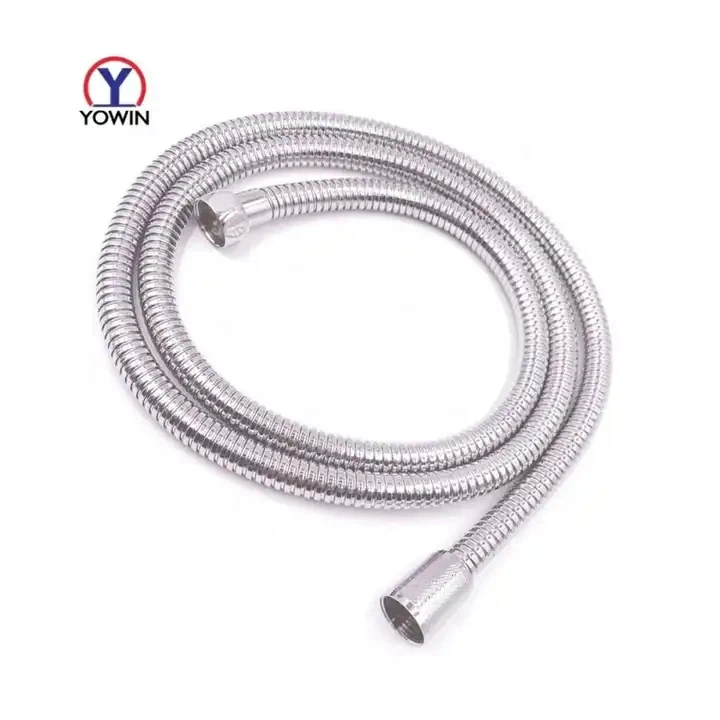
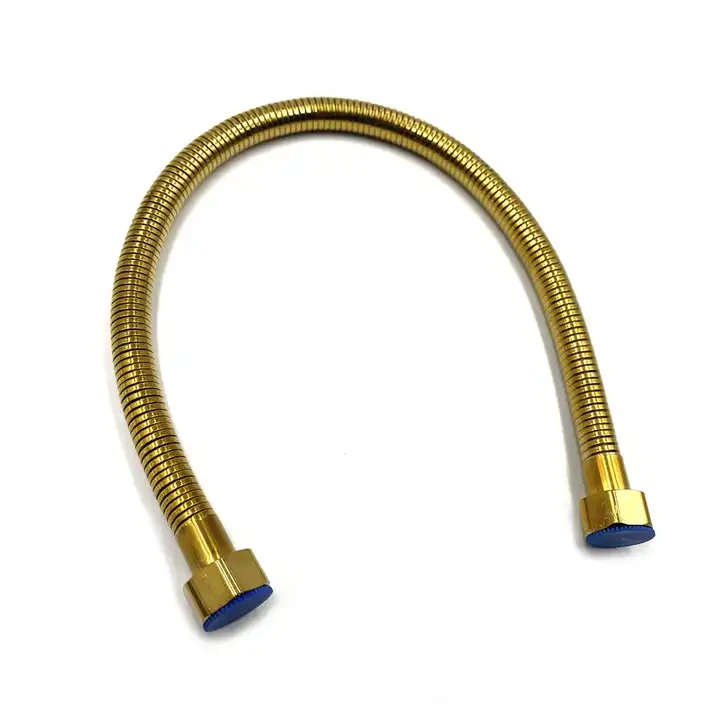
Ningbo Yowin Pipe Industry Co., Ltd. specializes in offering include shower hoses, stainless steel shower hoses, PVC shower hoses, expandable shower hoses, and related shower accessories such as shower heads and shower brackets.
You Professional Shower Hose Suppliers!
We focus on producing premium shower hoses, including stainless steel shower hoses, PVC shower hoses, and expandable shower hoses, along with complementary accessories like shower heads and brackets. Trust us for durable, leak-proof, and flexible shower solutions!


Why Choose Us?
Rich Experience
Ningbo Yowin Pipe Industry Co.,Ltd. is specialized in production of various stainless steel corrugated hoses, braided hoses and stainless steel shower hose for more than 15 years.
Strong Production Capacity
Till now, our production capacity is 3 000 000 pcs for corrugated hose and braided hose every year. We also can produce OEM products according to our customer's samples or drawing.
Reliable Product Quality
Strict quality control covers every procedure, from material sourcing and processing through to testing and packing. We understand that high quality and innovative products, quick lead times, accurate shipping and friendly service is what you want.
Wide Range of Applications
Mainly produce the corrugated hose, braided hose, shower hose etc. Our Products widely use in bathroom and kitchen room for water industry and gas industry. Our high qualified goods receive well reputation from our customer all over the world.
What is Shower Hose?
Shower hoses are used to connect your shower valve to your shower head. Available in various lengths, shower hoses can be made of PVC or metal, and may be reinforced for better kink-resistance.
Advantages of Shower Hose
The Durability Factor
One of the key advantages of a stainless steel shower hose is its exceptional durability. These hoses are designed to withstand high water pressure and temperature fluctuations without deteriorating, ensuring a reliable and consistent shower experience for years to come.
Enhancing Your Bathroom Aesthetics
Besides their functional benefits, stainless steel shower hoses add a touch of elegance to your bathroom decor. Their modern and minimalistic design complements any shower setup, giving your space a sophisticated and contemporary look.
Installation Made Easy
Installing a stainless steel shower hose is a hassle-free process that requires minimal tools and expertise. With their standard fittings and user-friendly design, you can effortlessly upgrade your shower system in no time.
Maintaining Hygiene and Cleanliness
Stainless steel shower hoses are inherently hygienic and easy to clean, preventing the growth of bacteria and mold. Regular maintenance involves a simple wipe-down with a damp cloth, ensuring a sanitary environment for you and your family.
Material of Shower Hose
PVC shower hoses
There are essentially two types of PVC shower hoses: reinforce PVC or basic PVC. These hoses are resilient and easy to use and maintain. They are hygienic to a great degree. They do not rub against surfaces around them. However, PVC shower hose is more likely to be twisted or bent.
Metal shower hose
Being made of stainless steel, steel or brass, metal shower hoses are unlikely to twist or bend. Metal shower hoses are durable, but cleaning at intervals is necessary. (particularly in between the coils). Your metal shower hose may gradually wear out based on its environment. The type of metal used in making shower hoses determines the quality and lifetime of these hoses.
Double interlock metal hoses
This is a particular furnish that applies to metal shower hoses. Double interlock shower hoses, which are higher in quality, will hardly ever twist or bend. They are very strong, durable and flexible, providing ease and great comfort for the users.
Basic metal hoses
They are more likely to twist or bend because basic metal shower hoses are composed of one metal layer. Basic metal hoses are also less durable. They are more likely to rust, depending which kind of metal is used.
Why Is the Shower Hose Leaking?
Worn Shower Hose
Shower hoses deteriorate over time from wear and tear. Constant exposure to water, temperature changes, and bending can cause cracks or tears in the hose. These weak areas are prone to leaks, causing water to escape from the shower hose. Regular use and improper handling will accelerate the wear process.
Shower hose connection loose
Another common cause of a shower hose leak is a loose connection. Over time, the fittings that connect the shower hose to the shower head and water supply can loosen, allowing water to seep. Loose connections can be caused by improper installation, misuse, or vibration caused by water pressure. Additionally, mineral deposits or debris can build up on the threads, preventing a tight seal.
Damaged or Faulty Couplings
The fittings that connect the shower hose to the shower head and water supply can also be the source of the leak. These couplings may be damaged, worn, or have seal failures. If the coupling is cracked, broken or the gasket is damaged, it will not provide a secure connection, resulting in water leakage.
High water pressure
Excessive water pressure can put pressure on the shower hose, causing water leaks. When the water pressure is too high, it can put pressure on the shower hose and its fittings, causing weak areas and possible leaks. High water pressure can also cause the shower hose to come off the fitting, causing water leaks.
Improperly installed shower hose
An improperly installed shower hose can be a factor in the leak. Leaks can result if the shower hose is not securely connected or the fittings are not tightened properly during installation. Be sure to follow the manufacturer's instructions and make sure all connections are secure and waterproof.
Age and quality of shower hose
The age and quality of your shower hose can also affect its propensity to leak. Poor quality shower hoses may wear out more easily, and older shower hoses may degrade over time. If we have an older shower hose or suspect the quality may be compromised, it would be wise to consider replacing it to prevent future leaks.
Signs That Your Shower Hose Needs a Deep Clean

Reduced Water Pressure
Neglected shower hoses develop a layer of scaly deposits, usually due to the minerals in hard water. If you've noticed a decrease in water pressure during your showers, it could be a sign that your shower hose is clogged with debris or mineral deposits.

Unpleasant Odor
A dirty shower hose can emit a foul or “off” smell, which can be particularly noticeable when you turn on the water. This odor is often caused by bacteria, mildew or mold thriving in the hose.

Discoloration
If your once shiny shower hose has started to develop discoloration or stains—which could look chalky and white, slimy and black, or like rust—it's a clear sign that cleaning your shower hose is a must.
Cleaning Your Shower Hose: A Step-by-Step Guide
Step One
Detach the shower hose from the shower head. Use a pair of pliers to loosen the connection if needed.
Step Three
After soaking, remove the hose from the white vinegar mixture and place it in the sink. Turn on the tap and let cool water run through the hose to flush out any residue.
Step Two
Fill a plastic bag, bowl or bucket with equal parts white vinegar and water. Submerge the shower hose in the mixture and make sure that the entire hose is submerged. Let the hose soak for at least 30 minutes - the longer it soaks, the more effective it will be. If your shower hose is particularly dirty, you may need to soak it overnight. Soaking it will help loosen any stubborn limescale deposits that may be clinging to the hose.
Step Four
Mix together a paste of baking soda and water. Apply the paste to any areas of the hose that are still dirty or stained. Use a clean rag or sponge to remove limescale and scrub away any dirt, grime, and stains. Be sure to scrub gently—you don't want to damage your shower hose! For hard-to-reach areas, you may need to use a toothbrush.
Step Five
Rinse away all of the cleaning solutions with warm water. Once everything has been rinsed away, give your shower hose a final once-over with a clean rag just to be sure that all of the dirt and grime has been removed.
Step Six
Reattach the shower hose to the shower head, then test the hose to make sure it's functioning properly. If your shower hose is still not functioning properly after cleaning it, you may need to replace it. Consult a plumber or specialist bathroom store for guidance.
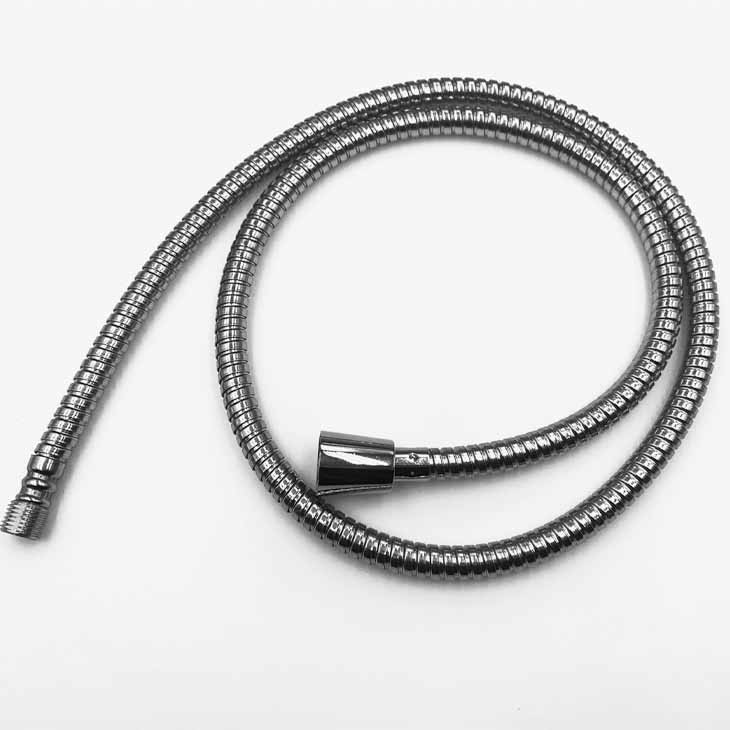
It’s a matter of quality. It could be a contemporary look made of plastic or an original look made of metal: For metal, we advise using a shower hose with supplementary plastic coating – so that the skin or hair can’t get hagged when showering. Chrome valves and showers are convenient with chrome foil. The glossy look of the metal blends unseasonally and beautifully into your bathroom atmosphere. The recent improvement of making plastic look like metal spirally shaped. This poses as the classic metal hose, also creating elegant visible spotlights. If you want more sophisticated design, a white hose should be chosen. The white tiles and hand showers make it ornamental. Gold, green, blue, and red are the trending colors. They set a soft, fine scenery.
Note: If we could give only one piece of advice, you would purchase a shower hose that the water is safe for drinking. When water sieves out noxious substances from plastics of lower quality, you take what you get. No bargains!
How to Change a Shower Hose
Step 1: Choose Your New Shower Hose
Start by selecting a new shower hose that matches your shower's design and meets your functional requirements.
Step 2: Turn Off the Water Supply
While changing the shower hose doesn't typically require turning off the main water supply, it's a good practice to shut off any local valves to your shower to avoid any unexpected water discharge during the process.
Step 3: Remove the Old Shower Hose
Unscrew the old shower hose from the showerhead and the water outlet. You can usually do this by hand, but if the connections are tight, use an adjustable wrench. Wrap a cloth around the nut to protect the finish of your fixtures while you loosen them.
Step 4: Clean the Threads
Once the old hose is removed, use this opportunity to clean the threads on both the showerhead and water outlet. Removing any buildup of mineral deposits or old sealant will ensure a clean connection for your new hose.
Step 5: Attach Your New Shower Hose
Before attaching the new hose, consider wrapping the threads on the water outlet and showerhead with Teflon tape. This step is optional but can help create a more secure seal, preventing leaks. Screw in your new shower hose by hand, first to the showerhead and then to the water outlet. Ensure a snug fit but be careful not to overtighten, as this could damage the threads or the hose itself.
Step 6: Check for Leaks
Turn the water supply back on and test your new shower hose for any leaks. A good practice is to run the water through all temperature settings. If you notice any drips, gently tighten the connections a bit more.
Step 7: Enjoy Your Upgraded Shower
With your new shower hose installed, you're ready to enjoy an enhanced showering experience. A fresh hose not only improves the functionality of your shower but can also contribute to the overall aesthetic of your bathroom.
How to Choose a Shower Hose?

Look at the material of the inner tube
When choosing a shower hose, it is best to consult the merchant to understand the material used for the hose, so as to avoid buying inferior hoses. Generally, a good hose not only has good ductility, but also has anti-scalding effect. When purchasing, you can stretch the hose by hand to feel the flexibility of the tube body.

Look at the connectors at both ends of the hose
When purchasing a shower pipe, pay attention to whether the material at the hose interface is copper material, whether the thickness and process of the interface screw meet the requirements. In addition, there are silicone gaskets inside and outside the pipe interface, which can better connect the hose.

Check whether the hose is resistant to bending, compression and explosion
High-quality shower pipes will be tested for anti-compression and anti-explosion before leaving the factory, which not only ensures safe use, but also is not easy to deform and has a longer service life. When purchasing, you can bend the soft bend to see how its folding resistance is.

Look at the appearance and cleanliness of the hose
When choosing a hose, also check whether its electroplated surface is smooth or not. If there are pitting or wrinkling, it is not recommended to buy, to avoid blackening in the later stage, which is difficult to clean.
3 Signs That You Need a New Shower Hose
Leaks and Reduced Performance
If you notice small puddles under shower hoses or on the surface of shower hoses, this is often a sign of a leak somewhere in the shower hose or fitting. Reduced pressure or flow can also be a sign of a leak somewhere in the system, especially if the system is normally consistent. Small leaks can quickly expand, leading to larger spills and severely reduced flow/performance. In addition to the shower hose and fittings, be sure to check all seals to ensure that they are in optimal condition. If your seals are in good condition and fitted properly, your shower hose is likely damaged and will need to be replaced.
Loose Connections and Slippage
A full and secure seal at both connection points is crucial for minimizing the risk of spills, leaks, and equipment damage. If this connection starts to loosen and can no longer be tightened, this is a sure sign that it is time for a replacement. Slippage can cause shower hoses to come loose and fall off, leading to potential safety risks for surrounding personnel. If you handle hazardous fluids for your operation, be sure to replace slipping shower hoses as soon as possible.
Cracks, Cuts, And Corrosion
For applications that deal with fluids under extremely high pressure, cracks and cuts in shower hoses can present a severe safety risk. These cracks or cuts can burst, leading to severe spills and potential damage to surrounding equipment. In addition to cracks, metal shower hoses and specialty transfer shower hoses can be at risk for corrosion in certain environments. If you notice cracking or corrosion near fittings or on the shower hose casing, it is time for a replacement.
4 Important Components of a Shower Hose
The corrugated tubing is the core component of a flexible metal shower hose. It comprises the bulk of each assembly while determining attributes such as corrosion resistance, pressure rating, and flexibility. Certain corrugated tubing products feature higher attributes than others, so it is important to determine which specifications are required for your needs. For example, you may only need a shower hose with a high pressure rating instead of a shower hose with added corrosion resistance. By determining what you need for your operation, you can potentially reduce costs without compromising the safety or longevity of your transfer system.
The braid covers the corrugated tubing, directly influencing pressure rating. Many factors affect the durability and flexibility of each braid including the wire diameter, the number of wires per carrier, and the percentage of braid coverage. Choosing the right braid configuration is crucial for protecting the shower hose from deformation and ensuring a long usable life.
Though they only account for a small portion of the shower hose assembly, braid collars play a vital role. All braid collars are designed to join the inner corrugated shower hose and the braid together into one seamless unit. Each collar also works to ensure that any bending stress is properly distributed over the right corrugations, optimizing the functionality and durability of each assembly.
The final component added to an assembly is the fittings. These components allow the flexible shower hose assembly to fit into a certain connector, spigot, or other receptacle. To ensure the best possible fit, all end fittings should be thoroughly examined to verify that the size, alloy, and pressure ratings match the requirements of the application.
Shower Hoses May Come with Additional Features That Can Enhance Your Showering Experience
Anti-Twist Design
Some shower hoses are designed to prevent twisting, ensuring a smooth and uninterrupted water flow. This feature is particularly useful if you have a handheld showerhead that requires frequent repositioning.
Double-Locking Mechanism
A double-locking mechanism ensures a secure connection between the hose and the showerhead, preventing leaks and water wastage. This feature is especially important if you have high water pressure in your home.
Temperature Control
Advanced shower hoses may include a temperature control feature that allows you to adjust the water temperature directly from the hose. This can be particularly convenient if you have a thermostatic shower system or want to avoid sudden temperature changes during your shower.
Our Factory
Our facatory was established in the year of 2005, who mainly produce the corrugated hose, braided hose, shower hose etc. Our Products widely use in bathroom and kitchen room for water industry and gas industry. Our high qualified goods receive well reputation from our customer all over the world. We have our own production area around 20000 square meters, and has our own hydraulic extrusion machine, CNC machine, and automatic welding machine and our own test machine to do quality control. Till now, our production capacity is 3 000 000 pcs for corrugated hose and braided hose every year.


Ultimate FAQ Guide to Shower Hose
We're professional shower hose manufacturers and suppliers in China, specialized in providing high quality customized service. We warmly welcome you to wholesale discount shower hose made in China here from our factory. Contact us for pricelist.
