

How long can copper corrugated pipes be used?
Hey there! As a supplier of Copper Corrugated Pipe, I get asked a lot about how long these pipes can actually be used. Well, there's no one - size - fits - all answer, but I'm gonna break down all the factors that affect their lifespan.
First off, let's talk about what copper corrugated pipes are and why they're so popular. Copper is a great material. It's strong, resistant to corrosion to a certain extent, and can handle a good amount of pressure. The corrugated design gives it flexibility, which is super handy in many applications. You can bend it around corners without having to make a whole bunch of connections, reducing the risk of leaks.
Environmental Factors
The environment where the pipe is installed plays a huge role in its lifespan. If the pipes are used in a dry, indoor environment, they'll generally last a long time. In this kind of setting, there's no exposure to harsh weather conditions, so there's less chance of corrosion. Copper is naturally resistant to oxidation, but over time, constant exposure to moisture and oxygen can still cause some problems.
On the flip side, if the pipes are installed outdoors, they're gonna face a lot more challenges. Rain, snow, and humidity can speed up the corrosion process. Also, if they're in an area with high levels of air pollution, things like sulfur dioxide can react with the copper and form copper sulfate, which eats away at the pipe. For example, in industrial areas or near the ocean where the air is more corrosive, copper corrugated pipes might not last as long as they would in a rural, clean - air location.
Water Quality
When the pipes are used for transporting water, the quality of the water is a major factor. If the water is soft and has a neutral pH (around 7), it's less likely to cause damage to the copper. But if the water is acidic (pH less than 7) or alkaline (pH greater than 7), it can corrode the pipe over time. Acidic water might contain things like dissolved carbon dioxide or acids from industrial runoff, while alkaline water could have high levels of minerals like calcium carbonate.
In areas where the water has a high mineral content, a build - up can occur inside the pipe. This scale not only reduces the flow of water but can also create small crevices where corrosion can start. And if there are bacteria in the water, they can also contribute to corrosion through a process called microbiologically influenced corrosion (MIC).
Installation and Maintenance
How the pipes are installed also matters big time. If they're installed incorrectly, like being bent too sharply or being tightened too much at the joints, it can cause stress points in the pipe. These weak spots are more likely to crack or develop leaks over time. Make sure the pipes are installed according to the manufacturer's guidelines. Professional installers usually do a better job because they have the right tools and experience to get it right.

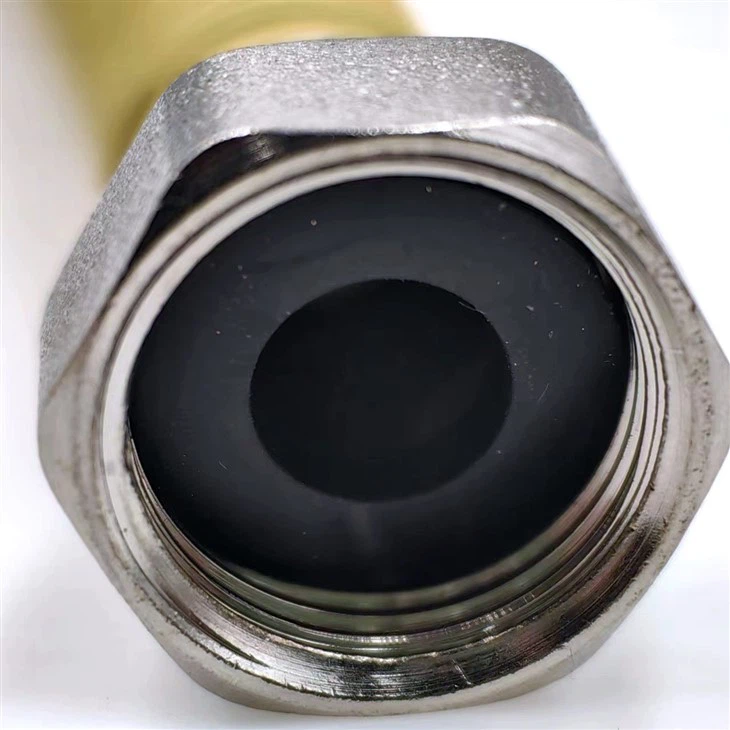
Regular maintenance is key if you want your copper corrugated pipes to last as long as possible. This includes checking for any signs of leaks, corrosion, or damage on a regular basis. Small leaks can seem harmless at first, but if left unattended, they can lead to bigger problems like water damage to the surrounding area and accelerated corrosion. You can also flush the pipes occasionally to remove any build - up of debris or sediment.
Typical Lifespan
Under ideal conditions, copper corrugated pipes can last anywhere from 50 to 70 years. That's a pretty long time! Ideal conditions mean being installed indoors, with clean water flowing through them, and proper maintenance. However, in less - than - ideal situations, like outdoor installation in a corrosive environment or with poor - quality water, the lifespan can be significantly reduced, maybe down to 10 - 20 years or even less.
Comparison with Other Hoses
Let's talk about how copper corrugated pipes stack up against other types of hoses. For example, Stainless Steel Gas Flexible Hose is another popular option for gas applications. Stainless steel is very resistant to corrosion and can handle high temperatures well. But it's less flexible than copper corrugated pipe, which means it might require more connections in a complex installation.
Then there's the Yellow PVC Corrugated Hose. PVC is lightweight and inexpensive, but it's not as durable as copper. It can degrade over time with exposure to sunlight and certain chemicals. So, if you need a long - lasting, flexible option for a variety of applications, copper corrugated pipes are still a great choice.
Conclusion
In conclusion, the lifespan of copper corrugated pipes is influenced by a bunch of factors, including the environment, water quality, installation, and maintenance. While they can last a long time under ideal conditions, it's important to take steps to protect them and keep an eye on their condition.
If you're in the market for high - quality copper corrugated pipes, I'm here to help. I've got a wide range of products that are made to the highest standards. Whether you need them for a small home project or a large - scale industrial application, I can provide you with the right pipes and offer advice on installation and maintenance. Feel free to reach out if you want to talk about your specific needs and start a procurement negotiation.
References
- "Corrosion of Copper in Water Systems" by the Copper Development Association
- "Water Quality and its Effect on Plumbing Materials" published by the Environmental Protection Agency
- Industry reports on the performance of plumbing materials in different environments.