

Can a floor drain prevent sewer gas from entering the room?
Can a floor drain prevent sewer gas from entering the room?
As a floor drain supplier, I often encounter questions from customers regarding the functionality of floor drains, especially their ability to prevent sewer gas from seeping into living spaces. Sewer gas is a noxious mixture of various gases, including methane, hydrogen sulfide, and ammonia, which can be not only unpleasant but also potentially harmful to human health. So, let's delve into the science behind whether a floor drain can indeed serve as an effective barrier against this unwanted intrusion.
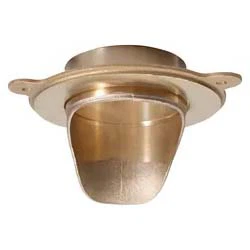

The Working Principle of Floor Drains
Floor drains are designed to perform two primary functions: to drain water efficiently from the floor and to prevent sewer gas from entering the room. The key component that enables the prevention of sewer gas is the trap. A trap is a U - shaped or S - shaped pipe located beneath the drain opening. This simple yet ingenious design creates a water seal. When water flows through the drain, it fills the lower part of the trap, forming a barrier that blocks the passage of sewer gas.
For example, in a Water Drain in Bathroom Floor, the trap works continuously as long as there is water present. Every time you use the bathroom and water runs down the drain, the trap is refilled, maintaining the water seal. Similarly, in a Floor Drain Kitchen, the trap plays a crucial role. When you wash dishes or clean the floor, the water flow keeps the trap filled, preventing the foul - smelling sewer gas from entering the kitchen.
Factors Affecting the Effectiveness of Floor Drains in Preventing Sewer Gas
However, the effectiveness of a floor drain in preventing sewer gas is not absolute and can be influenced by several factors.
Evaporation
One of the most common issues is water evaporation. If a floor drain is not used frequently, the water in the trap can evaporate over time. For instance, in a rarely - used guest bathroom or a basement floor drain, the lack of regular water flow means that the water in the trap will gradually dry up. Once the water seal is broken, sewer gas can freely enter the room. To combat this, some modern floor drains are equipped with self - refilling mechanisms or anti - evaporation features.
Trap Design and Installation
The design and installation of the trap also matter significantly. A poorly designed trap may not hold enough water to form an effective seal, or it may be prone to clogging, which can disrupt the normal flow of water and gas. Incorrect installation, such as improper slope or alignment of the drain pipes, can also lead to problems. If the trap is not installed at the correct height or angle, water may not flow through it properly, and the water seal may be compromised.
External Pressure Changes
External pressure changes in the sewer system can also affect the performance of the floor drain. For example, during heavy rainfall or when there is a sudden surge in water flow in the sewer pipes, the pressure inside the pipes can increase. If the pressure is too high, it can push the water out of the trap, breaking the water seal and allowing sewer gas to enter the room.
Types of Floor Drains and Their Gas - Prevention Capabilities
There are various types of floor drains available in the market, each with its own characteristics in terms of preventing sewer gas.
Traditional P - Trap and S - Trap Floor Drains
Traditional P - trap and S - trap floor drains are widely used. P - traps are more common in modern plumbing systems as they are less likely to siphon water out compared to S - traps. The shape of the P - trap allows for a more stable water seal, making it a reliable choice for preventing sewer gas. However, as mentioned earlier, they are still vulnerable to evaporation and external pressure changes.
Bottle Trap Floor Drains
Bottle traps are another option. They have a unique design that resembles a bottle. The shape of the bottle trap provides a water seal, but they are generally smaller in size and may hold less water compared to P - traps. This means they may be more susceptible to drying out if not used regularly.
Floor Drains with Anti - Sewer Gas Valves
Some advanced floor drains come with anti - sewer gas valves. These valves are designed to open when water flows through the drain and close when there is no water flow, effectively preventing sewer gas from entering the room. They are particularly useful in situations where evaporation or external pressure changes are likely to occur. For example, in commercial kitchens or industrial settings where the sewer system may be more complex and subject to frequent pressure variations, floor drains with anti - sewer gas valves can provide an extra layer of protection.
The Role of High - Quality Materials in Gas Prevention
The materials used in floor drains also play a role in preventing sewer gas. High - quality materials can ensure the durability and proper functioning of the drain and its trap. For example, a Nickel Bronze Downspout Nozzle is made of nickel bronze, which is corrosion - resistant. A corrosion - resistant material is essential because if the drain and trap corrode over time, they may develop holes or cracks, which can compromise the water seal and allow sewer gas to escape.
Conclusion and Call to Action
In conclusion, a floor drain can prevent sewer gas from entering the room, but its effectiveness depends on various factors such as trap design, installation, usage frequency, and external conditions. As a floor drain supplier, we offer a wide range of high - quality floor drains that are designed to address these issues and provide reliable protection against sewer gas.
If you are looking for a floor drain that can effectively prevent sewer gas and meet your specific needs, whether it is for a bathroom, kitchen, or other areas, we are here to help. Our team of experts can provide you with professional advice on the best floor drain solutions for your project. Contact us today to start a procurement discussion and find the perfect floor drain for your space.
References
- "Plumbing Engineering: Design and Installation" by Stephen R. R. Rogers
- "The Complete Guide to Home Plumbing" by Black & Decker